Cimex Clarifies Facts Surrounding BYD EV Imports




Cimex Inc., the authorized distributor of BYD electric vehicles in Nepal, has issued a press statement today addressing concerns and speculation surrounding the import and customs clearance of BYD electric vehicles ahead of the announcement of Nepal’s fiscal year 2083/84 budget.
In the statement, the company said it had taken note of discussions circulating in sections of the media and the public regarding EV imports that entered Nepal before the new budget was unveiled.
According to the company, the imports were undertaken to fulfill customer orders that had already been booked and to address the growing demand for electric vehicles in Nepal.

Cimex explained that the shipments were planned based on BYD’s production schedules, shipping availability, inventory requirements, and logistical considerations. The company added that all import decisions were part of its regular business operations and were executed in compliance with Nepal’s regulatory framework.
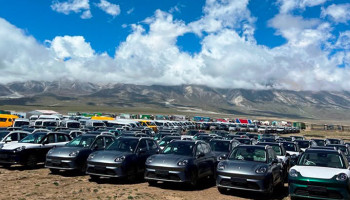
Cimex also clarified that while a number of vehicles had already completed customs clearance and entered Nepal, an additional 226 vehicles had arrived within the Chinese customs zone and had not yet undergone customs clearance procedures at the time of the statement.

To support its clarification, the company released customs data from the Korala and Rasuwa border points. According to the figures provided, 649 BYD vehicles were imported and cleared through the Korala Customs checkpoint in Mustang, while 472 vehicles were cleared through Rasuwa Customs. The combined total of vehicles processed through the two routes stands at 1,121 units.
Cimex reiterated its commitment to legal compliance, transparency, and ethical business practices, emphasizing that all vehicles that entered Nepal and completed customs clearance before the budget announcement were imported in accordance with existing customs laws, regulations, and procedures.
The company stated that reports suggesting it received special privileges, priority customs treatment, or unauthorized facilitation are entirely false.
The company further rejected allegations that it coordinated with government agencies to avoid future tax revisions or secure any form of improper financial advantage.
Cimex described such accusations as baseless and misleading, stating that its import activities are planned according to normal commercial requirements, inventory management needs, shipping schedules, and prevailing legal provisions.
In the statement, Cimex said it welcomes any lawful investigation into the matter and is prepared to provide authorities with all relevant documentation, including import records, customs declarations, shipping documents, border entry records, payment details, and customs clearance approvals to verify the facts.
Concluding its statement, the company urged media organizations and stakeholders to verify information through official records and competent authorities before publishing reports or drawing conclusions that could create public confusion or damage the reputation of businesses operating within the law.
Cimex also highlighted the growing contribution of Nepal’s electric mobility sector toward reducing fuel imports, supporting environmental goals, and promoting sustainable transportation, stressing that fact-based reporting and responsible public discussion are essential to maintaining public confidence in the industry.



Changan Nevo Q05 Delivered to Five Nepali Celebrities

Omoda Jaecoo Continues Nepal Premier League Partnership for 2026